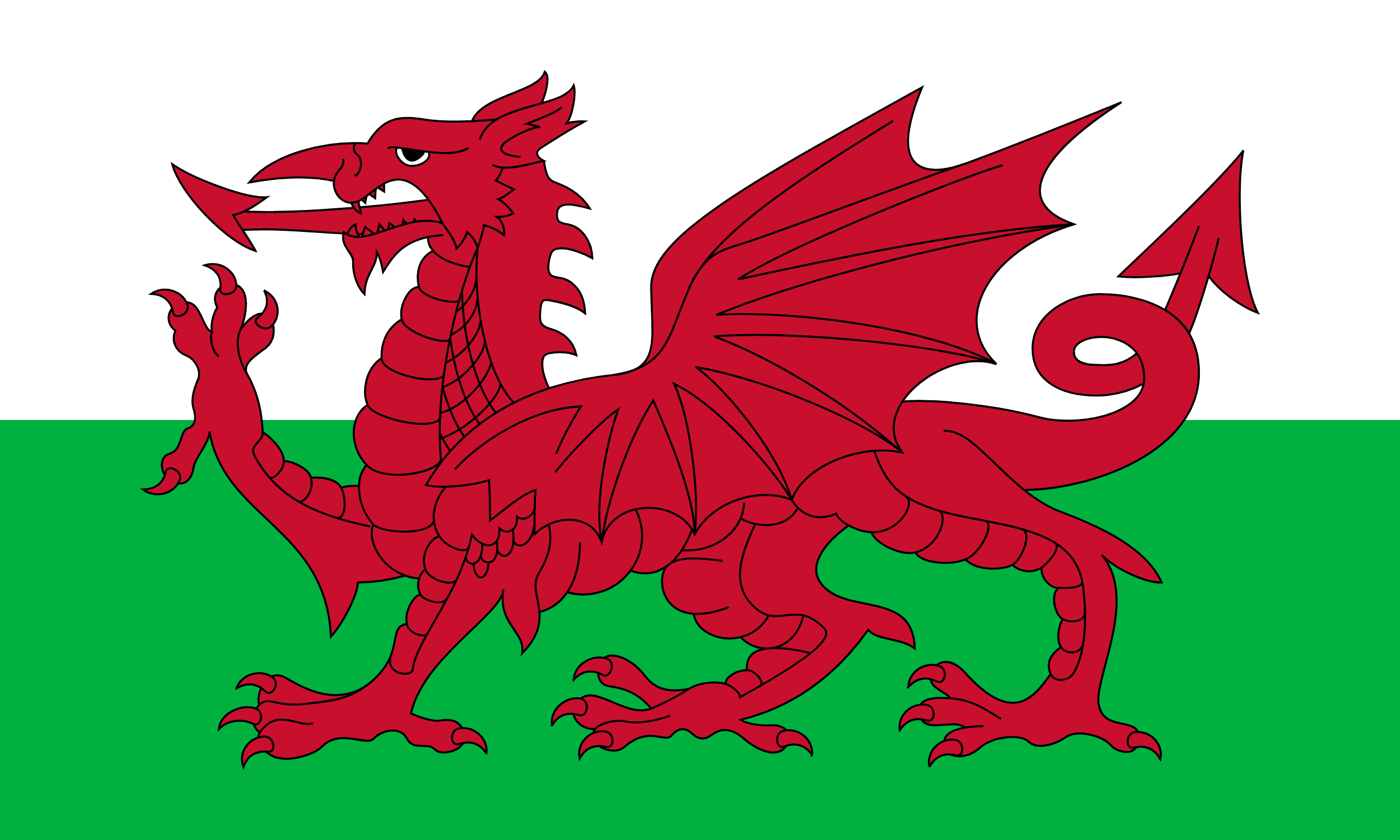
In 2019, the St Fagans National Museum of History hosted an exhibition titled The Art of the Wales Shirt, which celebrated over a century of Welsh football heritage through the lens of kit design. Curated by a team that included collector Simon “Shakey” Shakeshaft, the exhibition brought together match‑worn and replica shirts from across decades, telling the story of the national team, the evolution of sportswear, and the cultural significance of these garments. This extended article offers a comprehensive account of the exhibition’s conception, curation, key exhibits, and reception. Through this examination, we illustrate how a single event can illuminate the rich tapestry of history woven into football shirts.
The idea for the exhibition emerged from a recognition that football shirts are more than just pieces of clothing; they are artefacts that encapsulate memory, identity, and art. St Fagans, known for its open‑air displays of Welsh heritage and culture, seemed the perfect venue. The curatorial team aimed to bridge the gap between sports fans and museum visitors by presenting the shirts as objects worthy of artistic appreciation. To achieve this, the exhibition combined historical narrative panels, high‑quality displays, interactive elements, and multimedia content. Each shirt was accompanied by information about the match in which it was worn, the player who wore it, the manufacturer, and the design features that distinguished it. The aim was to engage both the knowledgeable collector and the casual visitor who might not know the difference between a match‑worn shirt and a replica.
One of the exhibition’s highlights was a display of shirts from the 1958 World Cup, including a rare match‑worn shirt from Wales’s quarter‑final against Brazil. Seeing the dragon crest and the simple round collar up close allowed visitors to appreciate the craftsmanship of the period. Another standout section focused on the flamboyant 1990s, with mannequins dressed in Umbro’s bold geometric patterns and Lotto’s sleek Italian designs. Information panels explained how sublimation printing worked and why certain colours and patterns were chosen. There was also a section dedicated to goalkeeper shirts, illustrating how the flamboyant patterns of the 1980s and 1990s reflected a growing individuality in that position. The exhibition included interactive screens where visitors could scroll through digital archives of match photos, view videos of key moments, and listen to interviews with players discussing what it felt like to wear the Wales shirt.
The exhibition did not shy away from exploring deeper themes. One part addressed the issue of counterfeit shirts and the importance of authenticity. Displays compared genuine match shirts with high‑quality fakes, teaching visitors how to spot differences in fabric weight, stitching, and labels. Another section examined how the Wales shirt has been used in protest and political expression. For example, a replica from the 1980s was displayed alongside information about anti‑apartheid protests during which fans wore shirts emblazoned with slogans calling for sanctions against South Africa. By situating the shirt within broader political movements, the exhibition underscored the garment’s role as a vehicle for activism.
Curatorial narration also extended to the personal stories behind some shirts. A shirt donated by the family of Ivor Allchurch came with letters and photographs that told the story of his career. A contemporary shirt from the 2016 European Championship, signed by the squad, reminded visitors of Wales’s modern achievements. In this way, the exhibition connected the past to the present, showing continuity and change. Collectors like Shakeshaft lent items on the condition that they would be displayed responsibly and returned in the same condition. The collaboration between private collectors and a public institution demonstrated how heritage can be safeguarded through partnership.
Reception to the exhibition was overwhelmingly positive. Football fans appreciated seeing rare shirts up close, while art and history enthusiasts gained a new appreciation for sportswear design. Media coverage highlighted the novelty of presenting football shirts as art, and the exhibition drew visitors who might not otherwise have considered a museum visit. As a legacy, the exhibition encouraged other museums to explore similar thematic presentations. It also sparked discussions about establishing a permanent collection of Welsh football artefacts, possibly leading to a dedicated sports museum in the future.
The Art of the Wales Shirt exhibition thus served multiple purposes. It educated the public about the evolution of kit design, celebrated Welsh football achievements, and fostered a dialogue about national identity, authenticity, and the intersection of art and sport. For our archive, the exhibition reinforces the importance of preserving and contextualising match‑worn shirts. Each garment displayed at St Fagans carries a story that goes beyond the 90 minutes of a match; it embodies the hopes, struggles, and pride of a nation. Documenting this exhibition ensures that future generations can look back and see how the simple act of wearing a shirt connects individuals to a wider narrative of culture and history.