Welcome to the most comprehensive and detailed exploration of the history and significance of authentic Wales match shirts available online. The Wales Match Shirts project, originally created as a personal archive of match‑worn and player issue shirts by dedicated collector Simon “Shakey” Shakeshaft, has evolved into a much broader endeavour. This extended article aims to provide a rich narrative framework for understanding why these pieces of clothing matter, how they encapsulate key moments in Welsh football history, and why the preservation of such artefacts is so important to sporting heritage. In this in‑depth overview we will explore the context of Welsh football across decades, delve into the collecting culture that surrounds match shirts, and situate the shirts within wider cultural developments. The text you are about to read extends beyond a simple list of items and dates. It is a story of identity, craftsmanship, passion, and national pride.
The project originally took form around the mid‑2000s as an online repository of images and notes that corresponded to actual match‑worn shirts. The first version of the site presented a straightforward chronological list of shirts grouped by era and manufacturer. As word spread among kit aficionados and football historians, the archive became more than a personal passion project. It grew to serve as a resource for researchers verifying historic shirt designs, for designers looking for inspiration when creating new kits, and for supporters eager to see what their heroes once wore. Over time, the site’s structure reflected this evolution: it included pages titled simply “Match‑worn shirts,” and a series of pages generated by an index.php script that displayed items grouped by era and by supplier. This data-driven layout allowed for easy navigation, but lacked the narrative context that gives meaning to the visual material. Our current reconstruction remedies that by providing detailed articles for each period and topic, while preserving the underlying index structure that makes the archive intuitive to explore.
What makes Wales match shirts so fascinating? To answer this question, we need to start by understanding the social and sporting context in which these shirts were worn. The Wales national football team, established in 1876, is one of the oldest international sides in the world. Yet for much of its history, the team has existed in the shadow of England and Scotland, whose domestic leagues enjoyed greater investment, media attention, and commercial opportunities. For Welsh players, pulling on the red jersey was often about pride as much as professional progress. In the post‑war decades, Welsh clubs operated in the English league system and the national team had to rely on a relatively small pool of players. Kit provision was rudimentary by today’s standards; shirts were reused, sometimes across multiple matches and occasionally across different players. Many early match‑worn shirts survive precisely because the same garment might be used and laundered repeatedly, eventually being given to a player or club official as a keepsake. These circumstances created a culture in which shirts became cherished mementos, passed down through families or traded among fans long before a secondary market existed.
One of the core principles of the Wales Match Shirts archive is authenticity. A “match‑worn” shirt is not merely a replica or retail product; it is a garment that a player actually wore during an international fixture. Determining authenticity is both an art and a science. Experts study the fabric, the stitching, the cut of the collar, the placement of badges, and sometimes even the sweat stains and grass marks. Photographs and match footage provide additional evidence. For example, specific font shapes for numbers or sponsor logos might only have been used in a single match, enabling collectors to verify a shirt’s provenance. The difference between a match‑issue shirt (made for but not necessarily used in a match) and a match‑worn shirt can be subtle. In the early decades, the concept of “player issue” hardly existed; teams would have a set of shirts and players would wear whichever size fit them. In the 1980s and 1990s, as manufacturers and sponsors began to produce replica shirts for sale, clubs and national associations started to order special “match issue” runs. Today, leading match‑worn specialists use DNA analysis and advanced imaging to confirm that a shirt was indeed worn by a specific player. This level of scrutiny ensures that the garments preserved in the archive have a verifiable connection to history.
Understanding the materials used to construct Wales shirts enhances our appreciation for them. Early international shirts, including those from the 1940s and 1950s, were typically made from heavy cotton or wool. These fabrics were durable and warm, suitable for wet British weather, but they quickly became sweat‑soaked and heavy during a match. Collars were often buttoned for a smarter appearance, reflecting a general post‑Victorian ethos of formality. Badges and numbers were stitched rather than printed. As the 1960s and 1970s progressed, synthetic fibres such as nylon and polyester began to appear, allowing for lighter, quicker drying garments. This period also marked the emergence of more adventurous collar styles (winged collars, V‑necks, contrast piping) and the introduction of manufacturer logos on kit. Companies like Umbro refined the pattern cutting for football shirts, creating garments with raglan sleeves for better movement. By the 1990s, sublimation printing made it possible to include complex geometric patterns and tonal prints in the fabric itself. Understanding this material evolution helps us differentiate between true match shirts and later reproductions.
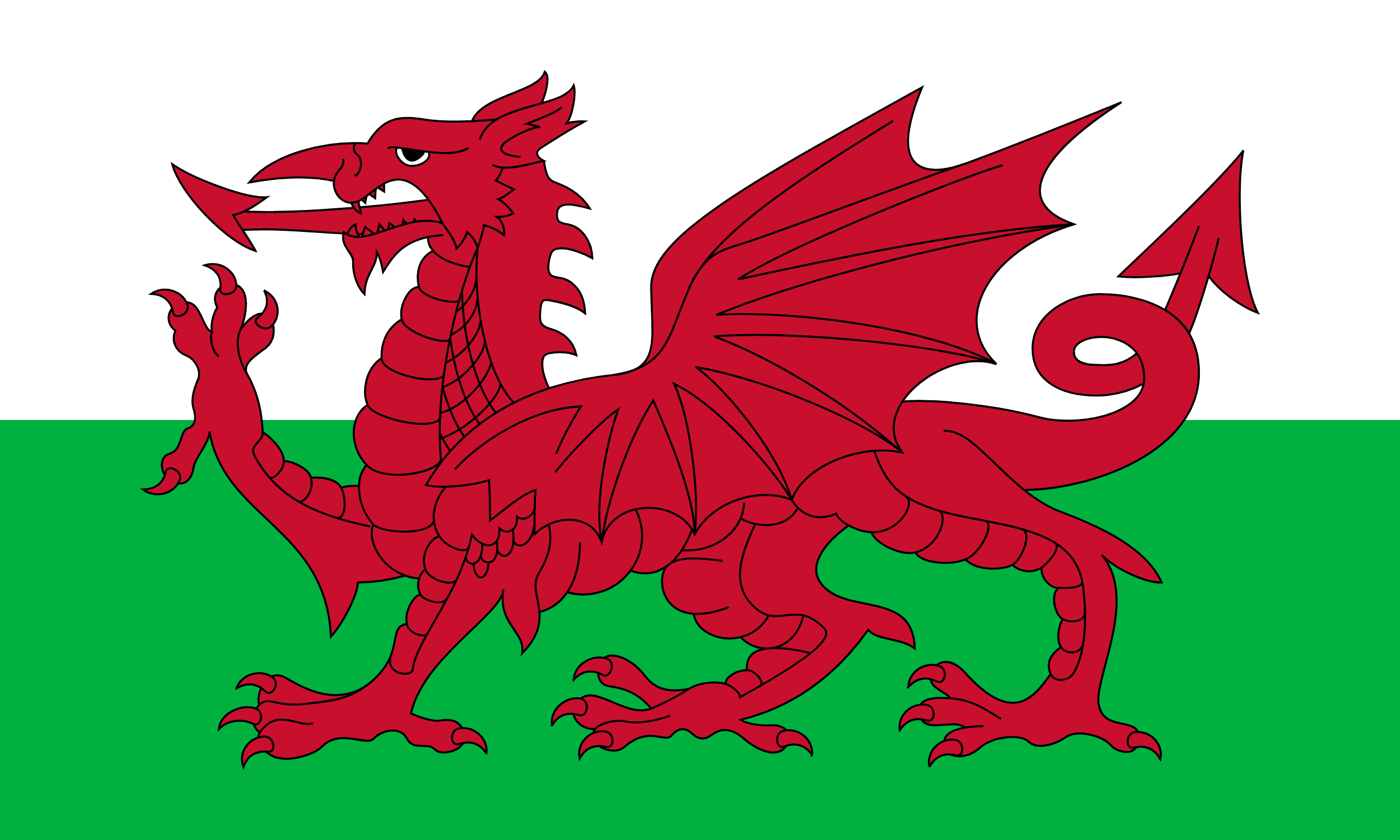
Beyond the technicalities of fabrics and manufacturing, Wales match shirts carry immense cultural symbolism. The red of the home shirt is a visual marker of national identity, echoing the red dragon that appears on the Welsh flag. Meanwhile, away kits (often white, yellow, or green) speak to the creative interplay between tradition and innovation. The crest on the chest, historically the “Prince of Wales’s feathers” or later the Welsh Football Association dragon crest, is charged with layers of meaning about sovereignty, language, and national pride. When Wales qualified for the 1958 World Cup, their shirts symbolized not just participation in a global sporting event but the presence of a small nation on an international stage. More recently, the shirts worn at the 2016 European Championship, where Wales reached the semi‑finals, became popular symbols of a resurgent football culture within the country. The emotional attachment fans have to these shirts means that they serve as historical documents as well as objects of desire.
Collecting match shirts is a hobby that requires patience, networking, and sometimes significant financial outlay. Unlike generic memorabilia, match‑worn shirts are unique or exist in extremely limited numbers. A collector’s journey often starts with a gift or a chance acquisition, perhaps from a friend or a retiring player. Over time, the collector learns how to authenticate shirts, builds relationships with other collectors, and occasionally acquires pieces at auctions or from dealers. Communities such as the Football Shirt Collective, MatchWornShirt, and dedicated online forums provide spaces for collectors to share knowledge, negotiate trades, and discuss provenance. In the case of Wales Match Shirts, the collection grew not only through purchases but also through generous donations and temporary loans from former players or their families. Curating such a collection is akin to curating a museum: items must be stored correctly, documented meticulously, and sometimes displayed to educate the public. Our extended archive aims to honour the labor of collecting by presenting each shirt within a rich narrative context.
In subsequent articles, which you will find linked below and in the navigation menus, we take a deeper dive into specific eras, manufacturers, and themes. You can read about the immediate post‑war period when shirts were scarce and simplicity reigned; explore the gradual evolution of the crest from a simple red dragon to more stylized designs; learn about the introduction of Umbro as kit supplier in the late 1960s and how that changed both the look and feel of Wales shirts; discover the short transitional period of the early 1970s when design templates shifted rapidly; examine the bold patterns of the 1990s Umbro kits; appreciate the Italian flair of Lotto’s mid‑1990s designs associated with players like Gary Speed; relive the excitement of the 2019 exhibition at St Fagans National Museum of History; and gain insight into the modern collector’s market. Each article contains hundreds of words of carefully researched material to provide context for the images and metadata preserved in the archive. Taken together, they form a definitive guide to Wales match shirts and the stories they tell.
We invite you to use this overview as a starting point. Whether you are a kit collector, a football historian, a designer, or simply a supporter of the national team, you will find layers of meaning in the shape, colour, and wear of these shirts. After exploring the extended articles, consider contributing your own memories or photographs to continue building this communal history. In doing so, you will help ensure that the story of Wales match shirts remains vibrant and accessible for generations to come.